
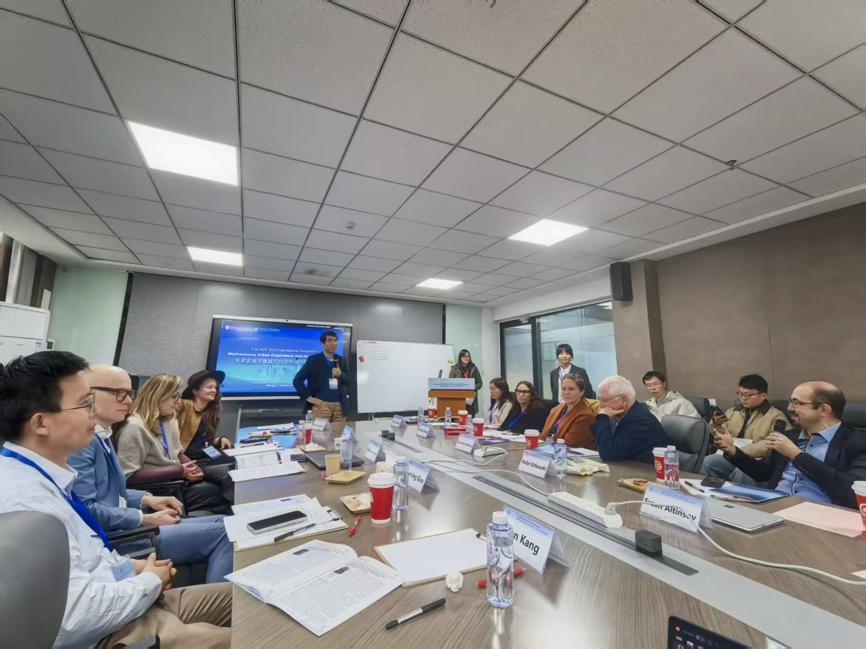
From Dec 12 to 15, Chongqing University hosted the X-SCAPE 2025 International Symposium on Multisensory Urban Experience and Inclusive Design. The event focused on using multisensory evidence to create urban environments that are more inclusive, healthy, and resilient. [Photo provided to chinadaily.com.cn]
A four-day international symposium on multisensory urban experience and inclusive design was held at Chongqing University from Dec 12 to 15, bringing together scholars and practitioners to examine how cities can be planned around lived human experience rather than visual form alone.
The X-SCAPE 2025 International Symposium on Multisensory Urban Experience and Inclusive Design gathered around 30 participants from institutions including the University of Cambridge, the University College London, and several Chinese universities. Discussions centered on how sound, touch, smell, and perception shape urban life, and how these factors can be incorporated into healthier and more inclusive planning practices.

From Dec 12 to 15, Chongqing University hosted the X-SCAPE 2025 International Symposium on Multisensory Urban Experience and Inclusive Design. The event focused on using multisensory evidence to create urban environments that are more inclusive, healthy, and resilient. [Photo provided to chinadaily.com.cn]
Organized by Chongqing University's Faculty of Architecture and Urban Planning and its Soundscape Research Center, the event combined workshops, academic presentations, thematic discussions, and technical visits. It opened with a field workshop titled "Multisensory Journey of Chongqing", during which attendees conducted on-site observations at cultural locations to study urban perception and place identity.
Keynote sessions on Dec 13 and 14 highlighted advances in soundscape research, multisensory assessment, and data-driven design. Topics included soundscape-oriented urban experiences, auditory realism in virtual and augmented environments, and the use of remote sensing and machine learning to study environmental health risks.
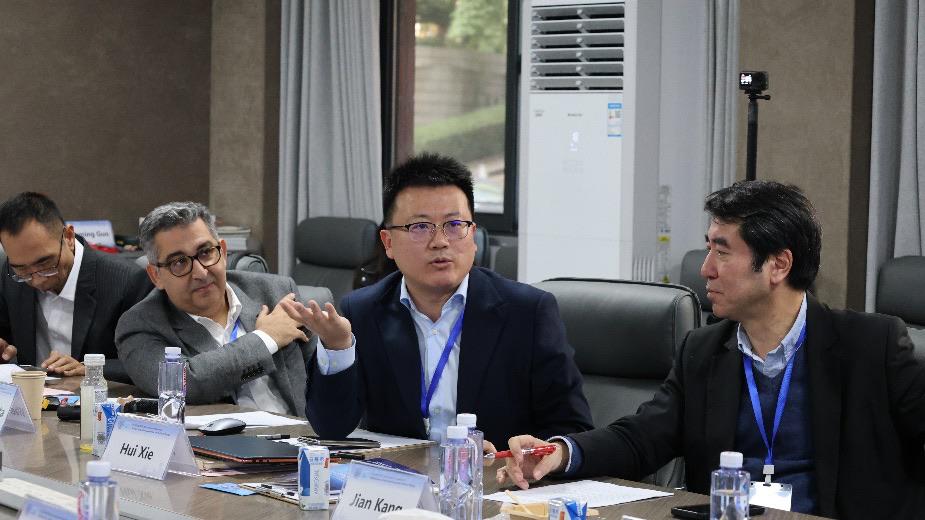
From Dec 12 to 15, Chongqing University hosted the X-SCAPE 2025 International Symposium on Multisensory Urban Experience and Inclusive Design. The event focused on using multisensory evidence to create urban environments that are more inclusive, healthy, and resilient. [Photo provided to chinadaily.com.cn]
Professor Kang Jian, a fellow of the Royal Academy of Engineering in the United Kingdom, emphasized the need for integrated tools, such as a soundscape index, to overcome the limits of traditional noise assessment. Professor Guo Yuming, a fellow of the Australian Academy of Technological Sciences and Engineering, addressed the links between climate change, urban health risks, and AI-supported decision-making.
The symposium also hosted discussions on research concepts, assessment methods, design interventions, and governance.
The event concluded with technical tours of local institutions, where attendees explored practical applications of soundscape data and creative urban experience projects, while discussing future international research cooperation.
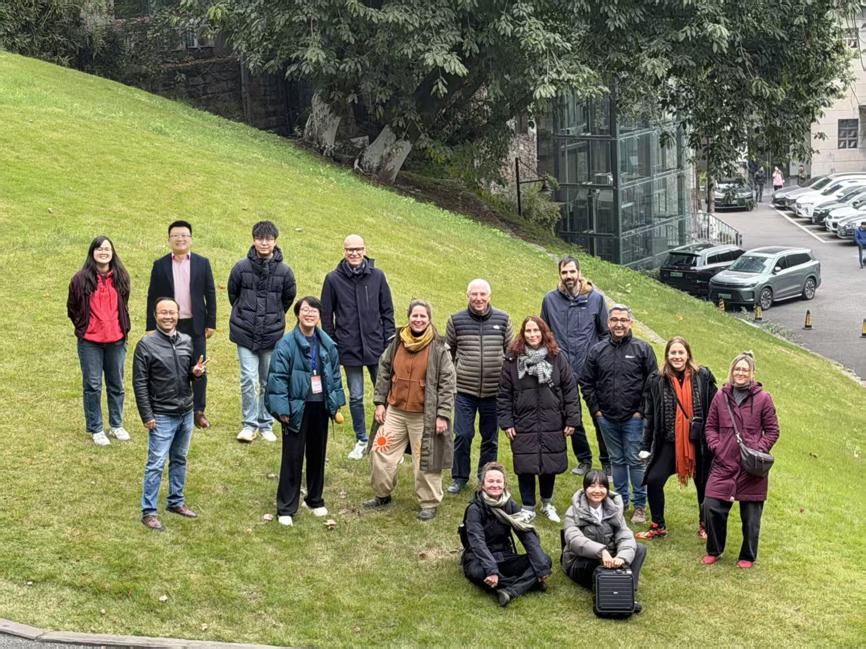
From Dec 12 to 15, Chongqing University hosted the X-SCAPE 2025 International Symposium on Multisensory Urban Experience and Inclusive Design. The event focused on using multisensory evidence to create urban environments that are more inclusive, healthy, and resilient. [Photo provided to chinadaily.com.cn]
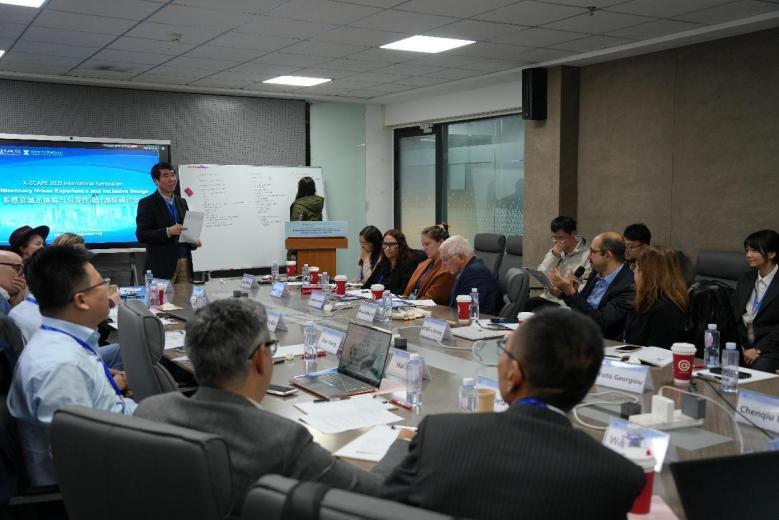
From Dec 12 to 15, Chongqing University hosted the X-SCAPE 2025 International Symposium on Multisensory Urban Experience and Inclusive Design. The event focused on using multisensory evidence to create urban environments that are more inclusive, healthy, and resilient. [Photo provided to chinadaily.com.cn]
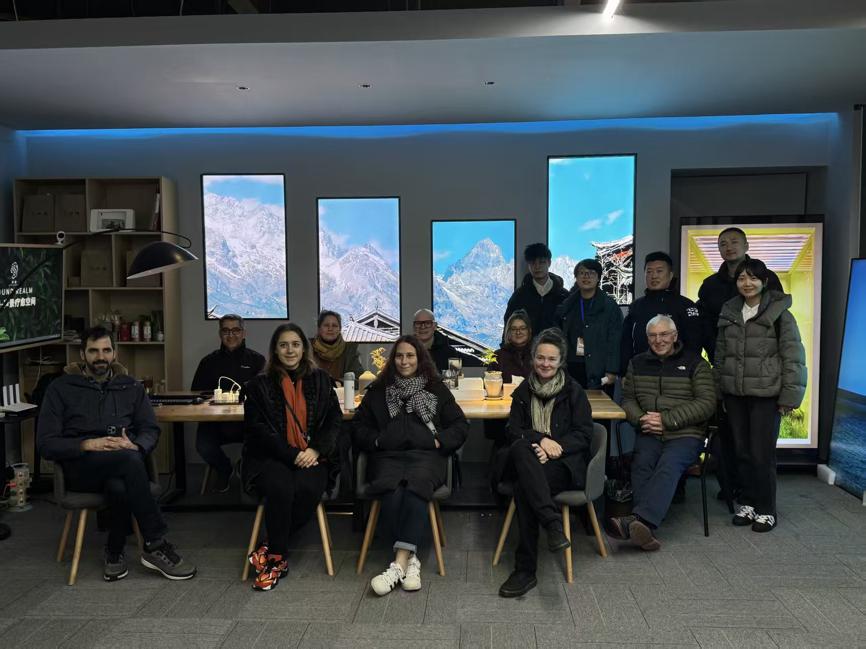
From Dec 12 to 15, Chongqing University hosted the X-SCAPE 2025 International Symposium on Multisensory Urban Experience and Inclusive Design. The event focused on using multisensory evidence to create urban environments that are more inclusive, healthy, and resilient. [Photo provided to chinadaily.com.cn]
