
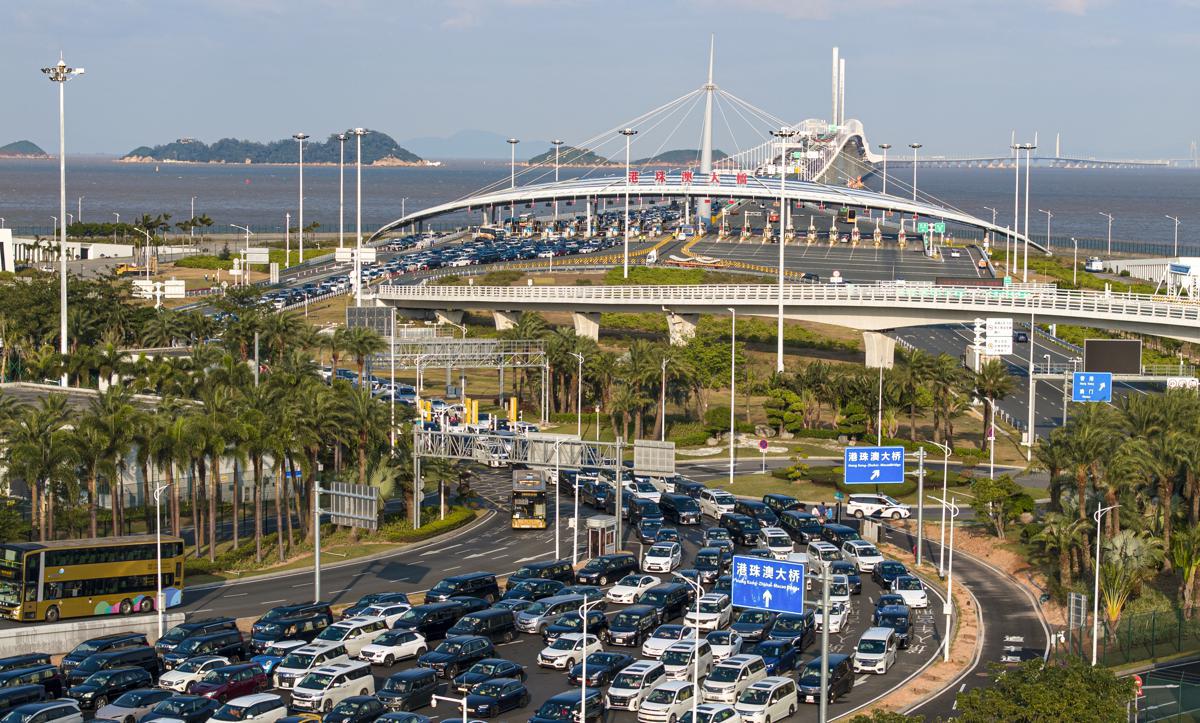
Cross-border traffic at the Zhuhai port of the Hong Kong-Zhuhai-Macao Bridge has seen a rapid increase in recent years. [Photo provided to chinadaily.com.cn]
The number of travelers crossing the Zhuhai port of the Hong Kong-Zhuhai-Macao Bridge surpassed 100 million on Tuesday, according to local exit and entry inspection authorities.
The completion of the mega cross-sea bridge has reduced the travel time from Hong Kong to Zhuhai and Macao from three hours to approximately 45 minutes, significantly narrowing the distance between Guangdong and the two special administrative regions.
Cross-border traffic at the Zhuhai port has seen a rapid increase in recent years, according to the bridge's exit and entry frontier inspection station. In 2025 alone, 31.34 million travelers crossed the port, surpassing the 30 million threshold in a single year for the first time and representing an increase of over 140 percent compared to 2019.
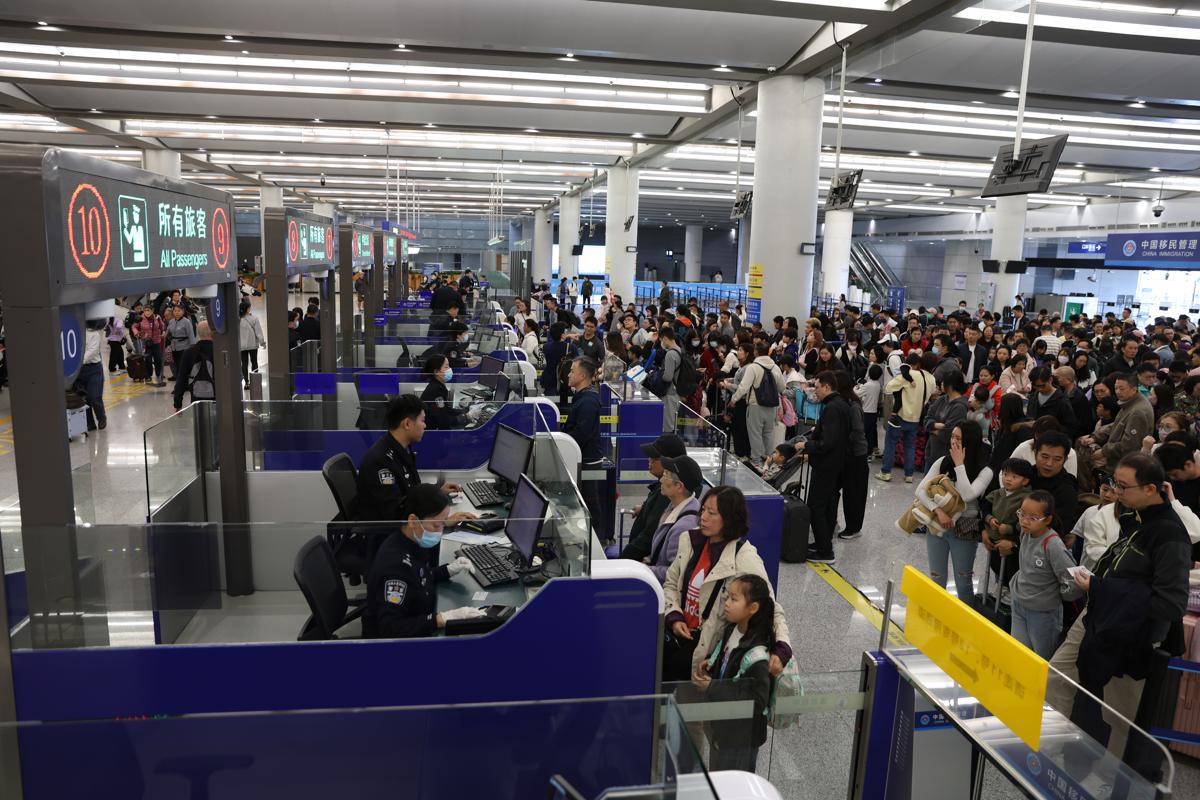
Cross-border traffic at the Zhuhai port of the Hong Kong-Zhuhai-Macao Bridge has seen a rapid increase in recent years. [Photo provided to chinadaily.com.cn]
"The self-driving customs clearance at the bridge port is very convenient and efficient, and many of my family members and friends also frequently drive over the bridge," said Ho Chi-hong, a Hong Kong resident.
After retiring, Ho and his wife bought a house and settled in Sanxiang, Zhongshan. They often drive around the area and occasionally travel back and forth between Guangdong and Hong Kong via the bridge.
Since opening in 2018, over 58.73 million Hong Kong and Macao residents have crossed the border via the Zhuhai port, accounting for 58.7 percent of its total passenger traffic.
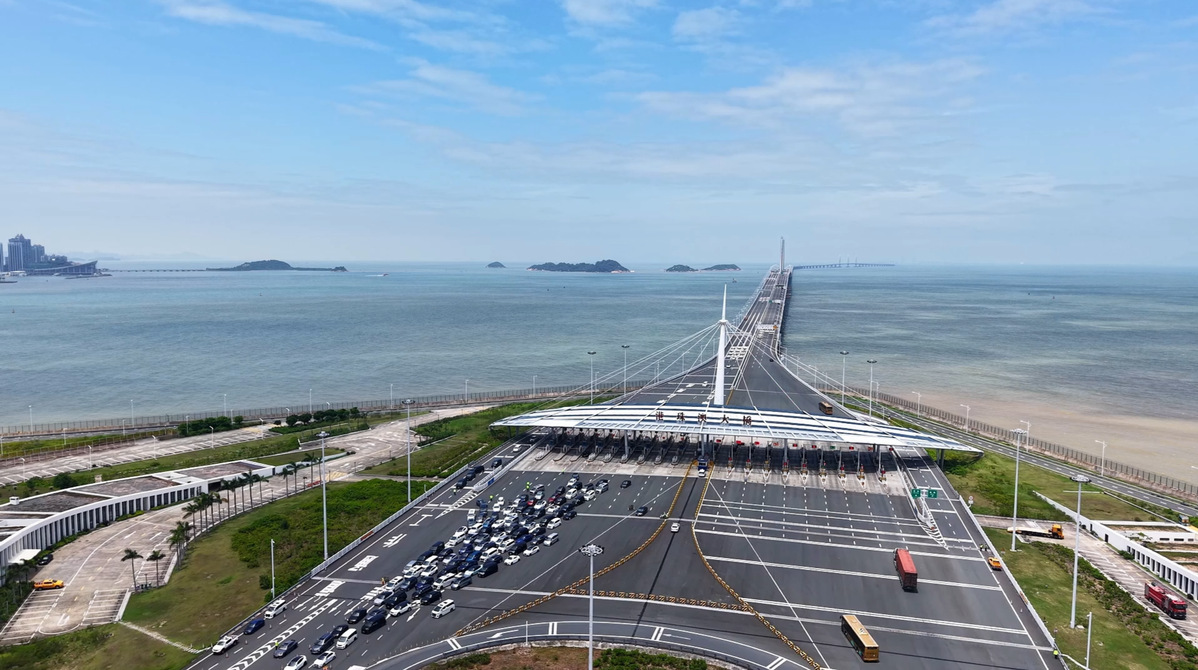
Cross-border traffic at the Zhuhai port of the Hong Kong-Zhuhai-Macao Bridge has seen a rapid increase in recent years. [Photo provided to chinadaily.com.cn]
In 2025, the number of Hong Kong and Macao residents crossing the border reached nearly 18 million, an increase of almost 300 percent compared to 2019.
To ensure safe and smooth border crossings, the station has introduced technology like AI algorithms and big data systems, mobile inspection terminals, and temporary manual inspection stations.
Smart lanes for fast facial recognition passage, online submission of entry cards for foreigners, and other tech-driven and personalized services have also been implemented.
