
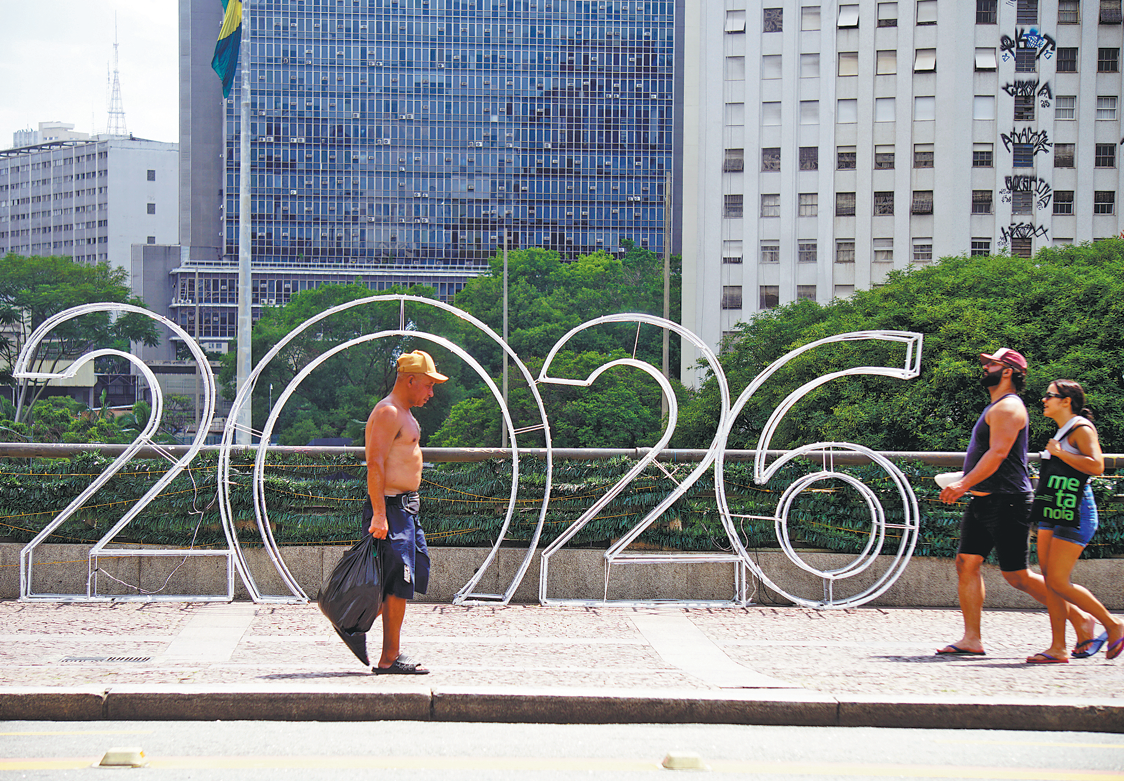
Pedestrians protect themselves from heat in Sao Paulo, Brazil, on Dec 29. GETTY IMAGES
Extreme weather characterized the first week of 2026. The Northern Hemisphere, particularly Europe, is currently facing heavy snowfall, disrupting various lines of activity. Meanwhile, the Southern Hemisphere, specifically Australia and Latin American countries, are preparing to confront large-scale heat waves and wildfires.
Brazil is experiencing a period of significant extreme weather in early 2026. A severe heat wave is affecting southeastern regions, including Rio de Janeiro and Sao Paulo, with temperatures exceeding 40 C. Health authorities have issued alerts, and increased energy consumption for cooling is straining the power grid.
In Argentina, a wildfire happened in Chubut early January. Authorities in Chubut believe the fire was intentionally caused, and judicial investigators are working to corroborate the charge.
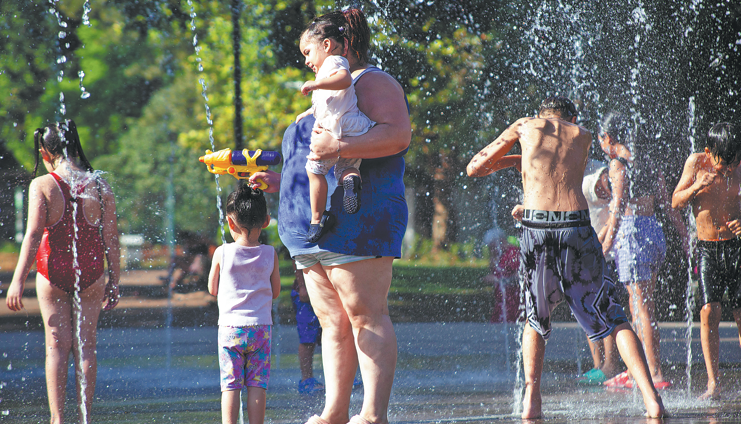
A family cools off in a water fountain in Buenos Aires, Argentina, on Dec 30. GETTY IMAGES
Local media believed the extreme weather conditions of historic drought, high temperatures, and strong winds severely complicated the work of the firefighters and favored the fire's advance toward populated areas, the newspaper Jornada reports.
The newspaper quotes the lament of Chubut's Secretary of Forests, Abel Nievas, as he describes the impact of the blaze as "the worst environmental tragedy in 20 years" in that province, where the flames have consumed some 7,000 hectares of native forest.
In Australia, the Bureau of Meteorology has issued a heat wave warning at an extreme level for the states of New South Wales, Victoria, South Australia, and Tasmania in early January.
One of the most destructive bushfires in early January ripped through almost 150,000 hectares near Longwood, a region cloaked in native forests.
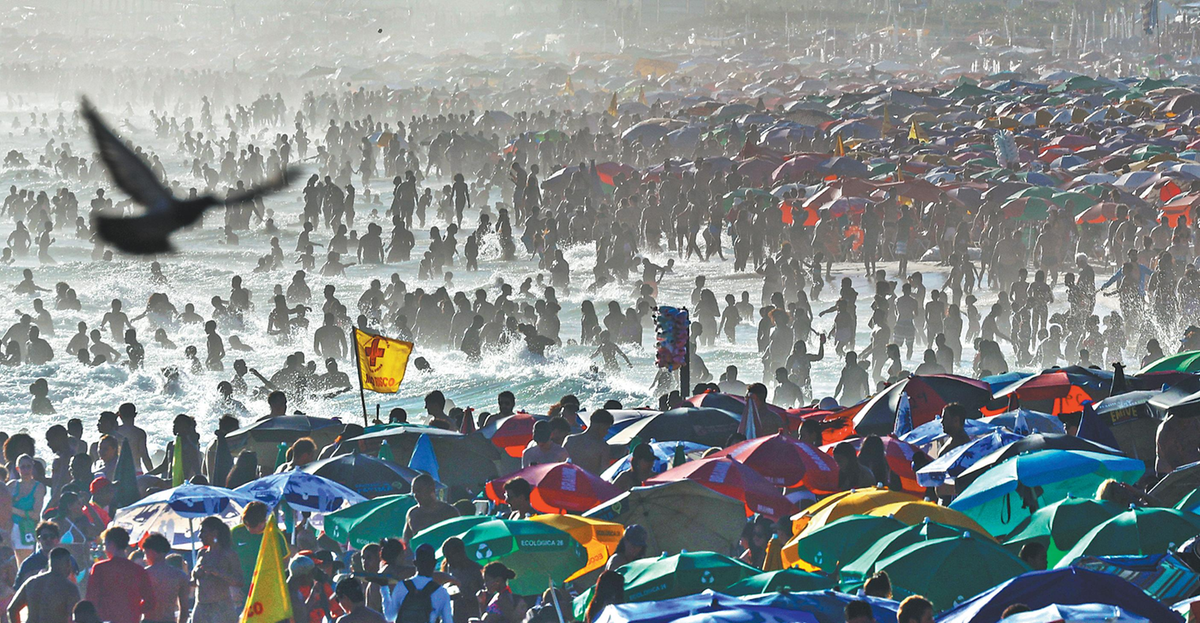
People sunbathe on Ipanema Beach in Rio de Janeiro, Brazil, on Jan 10. Temperatures reached 39 C in Ipanema, affecting residents and tourists. EPA
Tim Wiebusch, the emergency management commissioner of Victoria, said at least 130 structures had been destroyed across the state, a figure that includes houses, sheds and other buildings.
The bureau said the situation is the worst since the events of 2019-20. Six years ago, Australia faced devastating wildfires that destroyed much of the southeastern region of the country. The wildfires, referred to as the Black Summer, resulted in the deaths of 33 people.
Australia's climate has warmed by an average of 1.51 C since 1910, researchers have found, fueling increasingly frequent extreme weather patterns over both land and sea.
Australia remains one of the world's largest producers and exporters of gas and coal, two key fossil fuels blamed for global heating.
Agencies contributed to this story.

People flock to Clovelly Beach to cool off in Sydney, Australia, on Jan 6. EPA
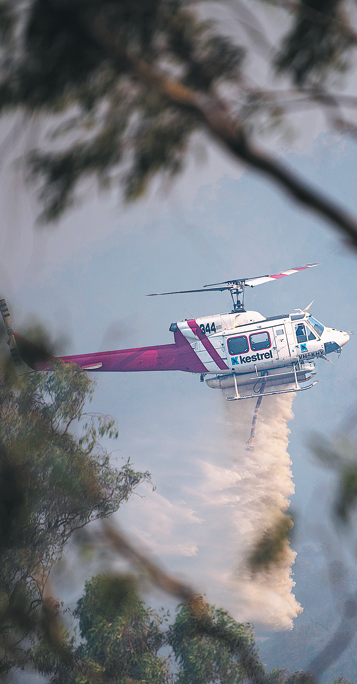
A helicopter sprays water on a fire burning in Creightons Creek, Victoria, Australia, on Jan 10. GETTY IMAGES
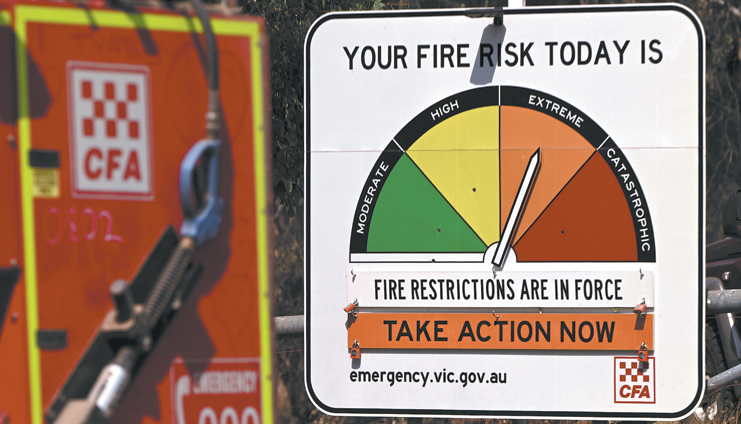
A fire risk sign in Ruffy, Australia, on Jan 12. EPA
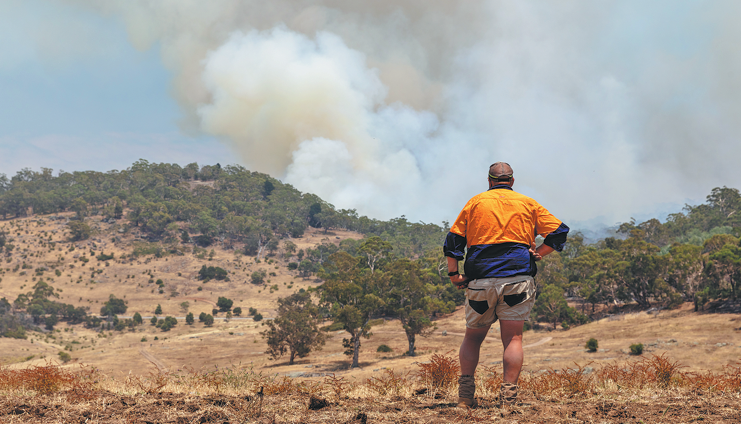
A local resident watches on as the fire burns near Harcourt, Australia, on Jan 12. GETTY IMAGES
