

The "Explore the Mystery in Central Europe, Taste Local and Travel Green" Tourism Trade Sharing Session, co-hosted by the European Travel Commission and the national tourism boards of Central European countries, is held in Shanghai on Wednesday. [Photo provided to chinadaily.com.cn]
Chinese outbound tourism is undergoing a significant transformation, moving away from crowded popular spots toward niche destinations and immersive local experiences. This shift was highlighted at a Wednesday tourism promotion event in Shanghai by four Central and Eastern European countries—Slovakia, the Czech Republic, Hungary, and Poland.
Co-hosted by the European Travel Commission and the nations' tourism boards, the event focused on niche destinations, local flavors, and sustainable travel, with representatives sharing insights into evolving Chinese travel habits.
"Chinese travelers no longer only visit during peak seasons or rush to popular attractions. They are starting to avoid crowds, seek hidden gems, and are more eager to experience local lifestyles," Gabor Kelemen, head of Asia for the VisitHungary National Tourism Organization, said. Data from Kelemen showed an 18 to 19 percent year-on-year increase in Chinese tourists to Hungary in the first three quarters of 2025, with guest nights rising by 11 to 12 percent, both exceeding 2024 levels.
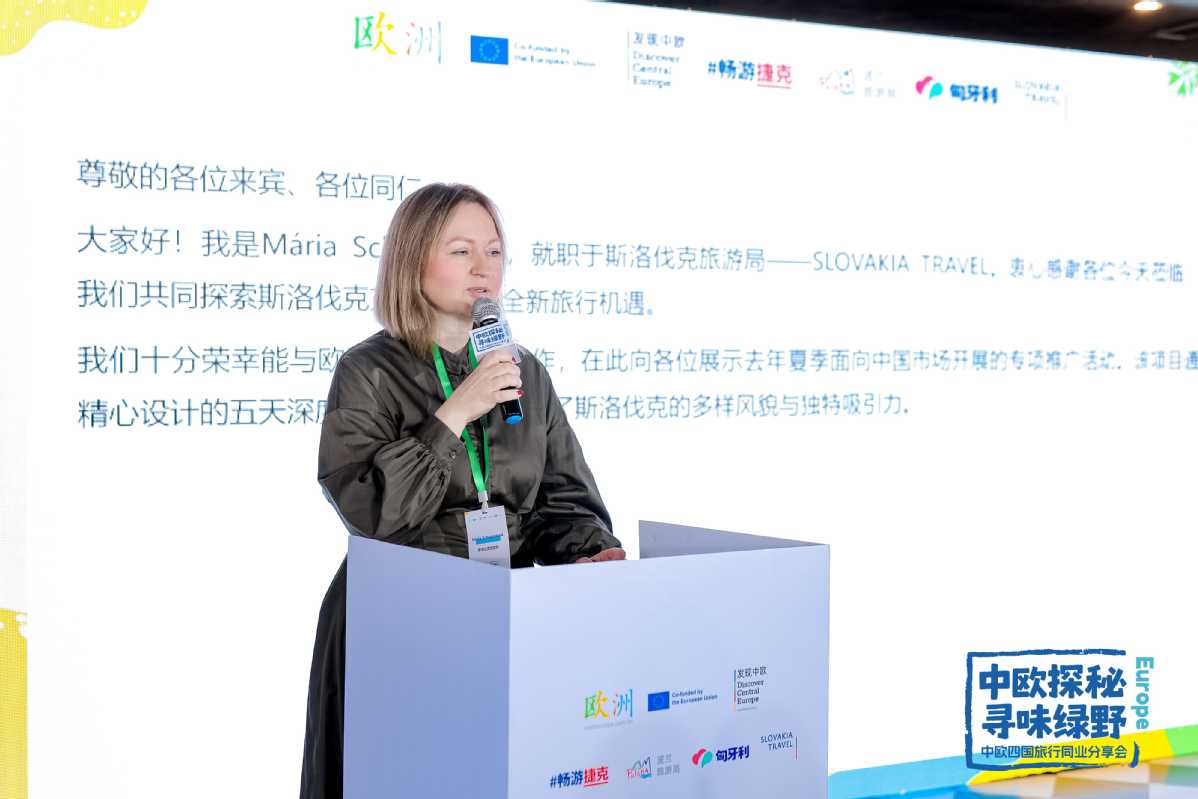
The "Explore the Mystery in Central Europe, Taste Local and Travel Green" Tourism Trade Sharing Session, co-hosted by the European Travel Commission and the national tourism boards of Central European countries, is held in Shanghai on Wednesday. [Photo provided to chinadaily.com.cn]
Currently, over 1,000 locations in Budapest accept WeChat Pay, and direct flights have been launched from seven major Chinese cities, including Beijing and Shanghai.
This shift is evident in the evolution of travel forms. "We have noticed a slight trend: tourists are moving from large tour groups to smaller ones. They are starting to spend a bit more time locally, but I still hope they can stay longer," noted Lukas Pokorny, director of CzechTourism China & South East Asia. In terms of travel timing, Chinese tourists are shifting from "peak-season gatherings" to "off-peak in-depth travel". Kelemen noted that this choice, made not for discounted prices but to avoid crowds for better experiences, allows the four nations to showcase their scenery across all seasons.
Destination preferences have also shifted, with niche hidden gems replacing popular spots. Paula Gumienna, director of the Polish Tourism Organisation Beijing office, shared, "I have been observing Poland's tourism trends on Xiaohongshu (RedNote), and I was amazed by the very niche places people visit. For example, the Wieliczka Salt Mine near Krakow – many Chinese tourists participate in Miner's Day to explore the mine like real miners, which is a fantastic experience."
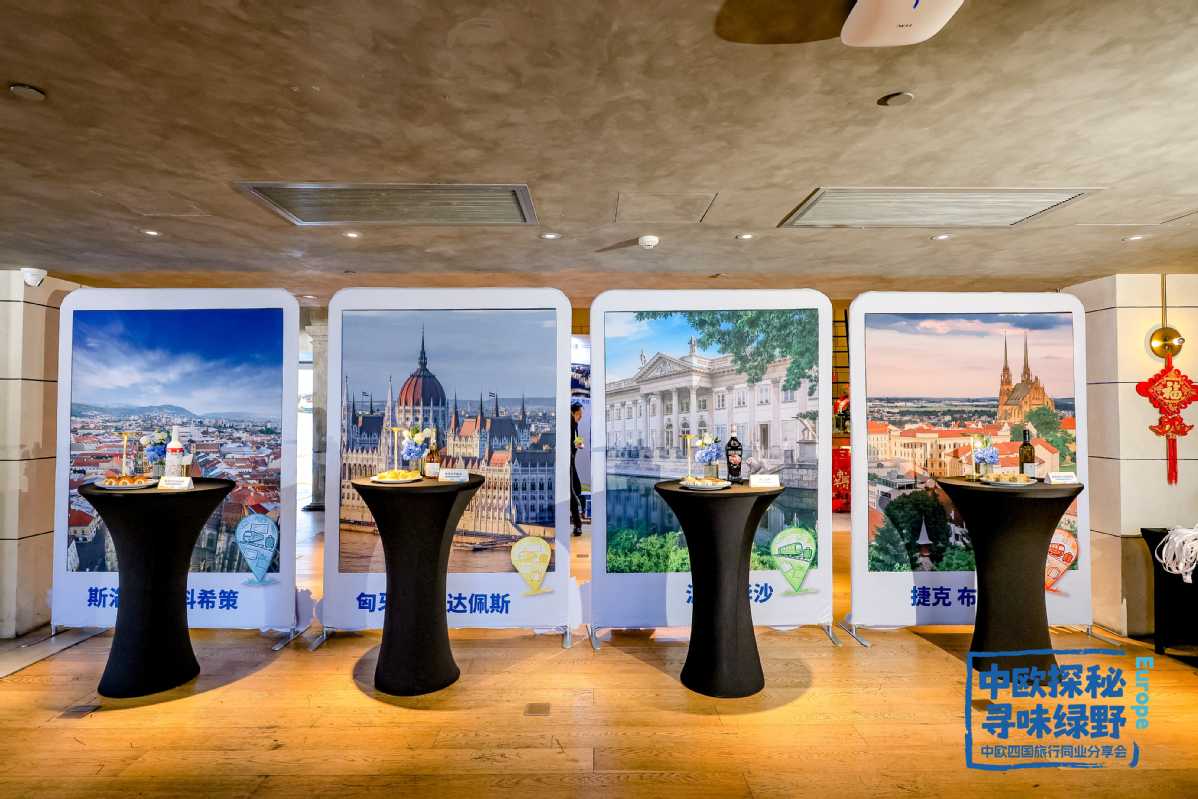
The "Explore the Mystery in Central Europe, Taste Local and Travel Green" Tourism Trade Sharing Session, co-hosted by the European Travel Commission and the national tourism boards of Central European countries, is held in Shanghai on Wednesday. [Photo provided to chinadaily.com.cn]
Pokorny added that many tourists no longer only focus on popular cities like Prague and Cesky Krumlov, but are starting to pay attention to the Crystal Valley, where there are nearly 100 glass manufacturers, and visitors can watch the entire glass-making process.
The demand for enriched experiences has led Chinese tourists to pursue integration into local life. "This is particularly evident among the younger generation," Kelemen said. "They walk the streets of Budapest with their families, admire the buildings and monuments, sit in a café for a cup of coffee, and enjoy the slow city life."
In response, the four nations highlighted their unique charms. Mária Schvarczová, director of International Relations in Tourism for Slovakia Trave, promoted "condensed diversity". "Our country is small, but it has great topographical contrasts, with mountains in the north, plains in the south, thousands of kilometers of hiking trails, and 28 thermal spas."
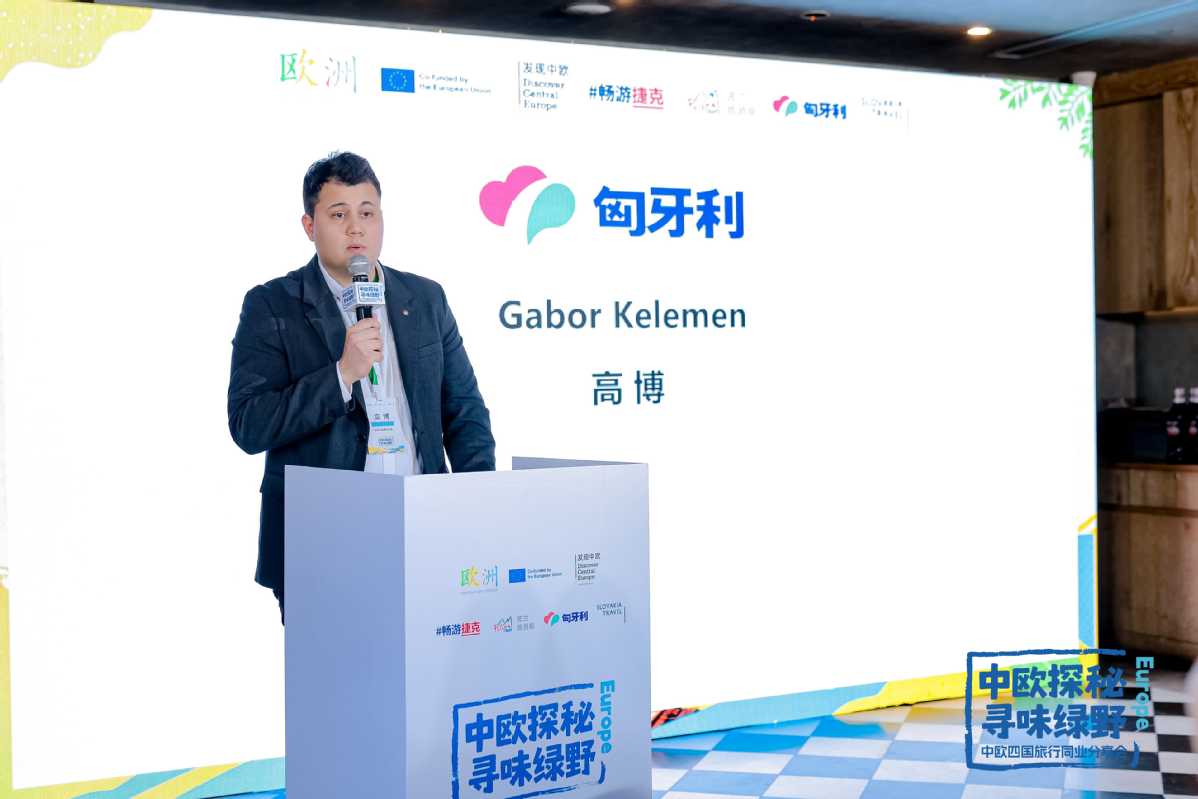
The "Explore the Mystery in Central Europe, Taste Local and Travel Green" Tourism Trade Sharing Session, co-hosted by the European Travel Commission and the national tourism boards of Central European countries, is held in Shanghai on Wednesday. [Photo provided to chinadaily.com.cn]
Pokorny suggested experiencing slow life in the Czech Republic. "Travel doesn't have to be in a hurry. Find a chair on the streets of Brno to relax, or spend 20 to 30 minutes in a century-old café with a cup of coffee and dessert to truly feel the local culture."
Kelemen recommended Hungary as a year-round destination. "Budapest's Danube scenery, more than 150 thermal resources – you can nourish your health in winter and visit Lake Balaton in summer."
As the largest of the four, Poland advocates long-stay in-depth travel. "From the Baltic Sea scenery to the historical buildings in Warsaw and Krakow, each city offers unique experiences," Gumienna said.
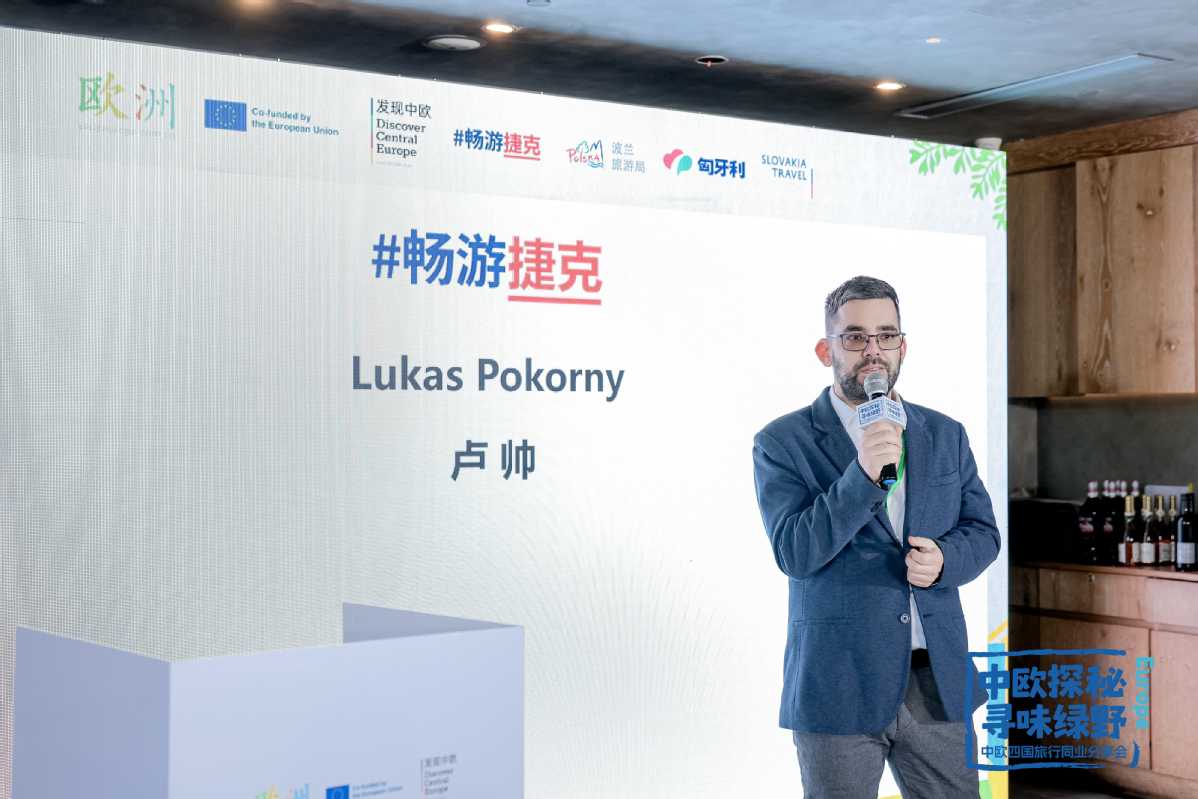
The "Explore the Mystery in Central Europe, Taste Local and Travel Green" Tourism Trade Sharing Session, co-hosted by the European Travel Commission and the national tourism boards of Central European countries, is held in Shanghai on Wednesday. [Photo provided to chinadaily.com.cn]
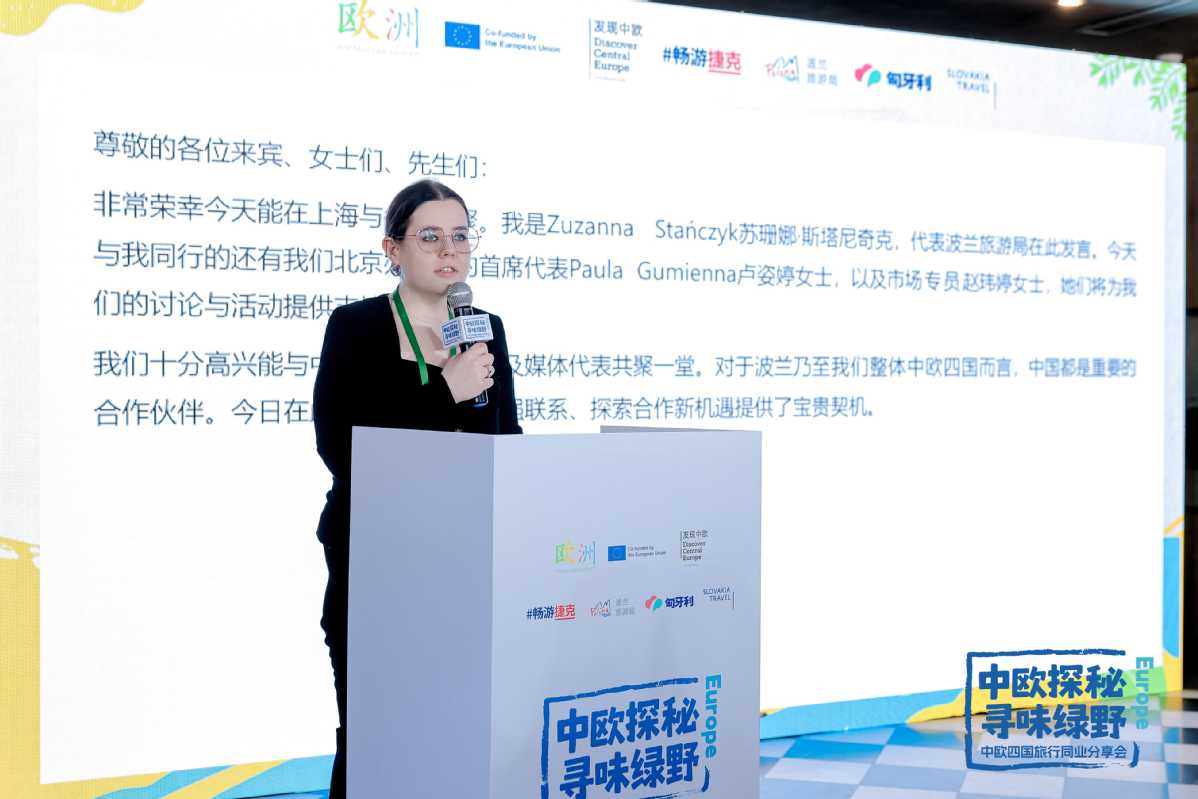
The "Explore the Mystery in Central Europe, Taste Local and Travel Green" Tourism Trade Sharing Session, co-hosted by the European Travel Commission and the national tourism boards of Central European countries, is held in Shanghai on Wednesday. [Photo provided to chinadaily.com.cn]
